Vitamin K2 Benefits: The Unsung Hero for Strong Bones and a Healthy Heart
Vitamin K2 benefits have recently been revealed. For years, vitamin K was largely known for its role in blood clotting. However, groundbreaking research has revealed a crucial distinction and highlighted the remarkable benefits of a less familiar but equally vital form: vitamin K2.
While vitamin K1 is primarily found in leafy green vegetables and is essential for coagulation, vitamin K2, often found in fermented foods and animal products, plays a distinct and powerful role in directing calcium to where it’s needed most – our bones and teeth – and keeping it away from our arteries.
What Exactly is Vitamin K2?
Vitamin K2, scientifically known as menaquinone, is a fat-soluble vitamin that exists in various forms, designated by MK-4 through MK-13. These different forms vary in their chain length and the number of isoprenoid units they contain, influencing their absorption and utilization by the body.
Unlike vitamin K1, which is largely consumed through plant-based sources, K2 is predominantly found in:
* Fermented foods: Natto (a Japanese fermented soybean dish) is one of the richest sources of K2. Other fermented foods like certain cheeses (Gouda, Brie), sauerkraut, and tempeh also contain K2.
* Animal products: Liver, egg yolks, butter, and certain meats (especially organ meats) are good sources of K2.
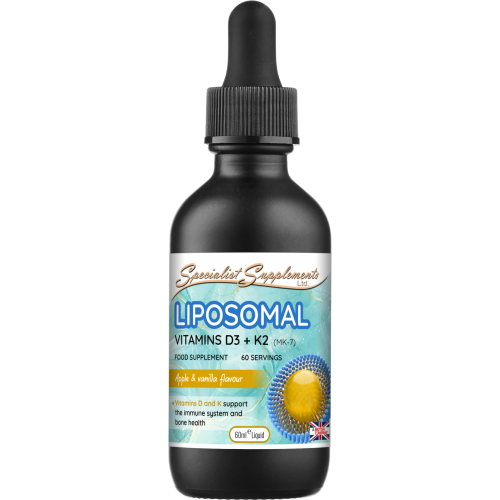
* Supplements: Vitamin K2 is widely available in supplement form, often as MK-7, a highly bioavailable and long-lasting form and our own Liposomal D3 K2.
Liposomal is a highly absorbant way of taing any vitamin. Read more about liposomes here
The magic of K2 lies in its ability to activate vitamin K-dependent proteins (VKDPs). Two of the most crucial VKDPs are osteocalcin and matrix Gla protein (MGP).
The Powerful Vitamin K2 Benefits: More Than Just Bone Health
The activation of these proteins unlocks a cascade of health benefits, primarily revolving around calcium metabolism and cardiovascular health. Especially when combined with Vitamin D3
1. Fortifying Your Bones:
This is arguably one of Vitamin K2 benefits that is most celebrated. Osteocalcin, when activated by K2, acts like a molecular “calcium-binding agent.” It essentially tells calcium to bind to the bone matrix, promoting bone mineralization and increasing bone density.
* Reduced Risk of Fractures: By strengthening bones, K2 can significantly reduce the likelihood of fractures, especially in older adults who are more susceptible to osteoporosis.
* Improved Bone Strength and Structure: K2 doesn’t just add calcium; it helps organize it, leading to stronger and more resilient bones.
* Potential Therapeutic Role in Osteoporosis: Emerging research suggests Vitamin K2 Benfits may play a role in preventing and even reversing bone loss associated with osteoporosis.
2. Shielding Your Arteries:
This is where Vitamin K2 Benefits truly shine, as a cardiovascular protector. While vitamin D ensures adequate calcium absorption, it’s vitamin K2 that directs that calcium to your bones and prevents it from depositing in your arteries. Matrix Gla protein (MGP), activated by K2, is the most potent inhibitor of vascular calcification known to date.
* Prevention of Arterial Calcification: By preventing calcium from hardening in the arteries, K2 helps maintain their flexibility and elasticity, a crucial factor in preventing heart disease.
* Reduced Risk of Cardiovascular Disease: Studies have shown a strong correlation between adequate K2 intake and a lower risk of heart attacks, strokes, and other cardiovascular events.
* Improved Arterial Flexibility: Healthy arteries are essential for efficient blood flow, and K2 contributes to this by preventing stiffening.
3. Supporting Dental Health:
Similar to its role in bone health, Vitamin K2 benefits include the fact that it activates proteins involved in tooth mineralization.
* Stronger Teeth: K2 helps ensure that calcium is adequately incorporated into tooth enamel, making them more resistant to decay.
* Reduced Risk of Cavities: By promoting healthy tooth structure, K2 can contribute to fewer cavities.
4. Potential Role in Cancer Prevention:
While research is still in its early stages, some studies suggest a potential link between K2 and a reduced risk of certain cancers, particularly liver and prostate cancer. The exact mechanisms are still being investigated, but it’s believed to be related to K2’s influence on cell differentiation and apoptosis (programmed cell death).
5. Other Emerging Benefits:
The scientific community is continuously exploring the broader impact of Vitamin K2 benefits, with emerging research suggesting benefits in areas like:
* Kidney Health: Some studies indicate K2 may help reduce calcium buildup in the kidneys.
* Insulin Sensitivity: Preliminary research suggests a potential role in improving insulin sensitivity.
Who Needs Vitamin K2?
 While K2 is produced in small amounts by gut bacteria, dietary intake is crucial for optimal levels. Individuals who may obtain Vitamin K2 Benefits intake include:
* Older adults: To combat age-related bone loss and reduce fracture risk.
* Individuals with a family history of osteoporosis or heart disease.
* People with limited sun exposure (influencing vitamin D levels): As K2 works synergistically with vitamin D.
* Those who consume a diet low in fermented foods and animal products.
The Takeaway: Embrace the Power of Vitamin K2
Vitamin K2 is a powerful nutrient that plays a critical, often overlooked, role in our overall health. From building resilient bones and strong teeth to protecting our cardiovascular system, its benefits are far-reaching. By incorporating K2-rich foods into your diet or considering a K2 supplement, like our high quality Liposomal D3 K2 supplement you can unlock this unsung hero’s potential and invest in a healthier, more robust future.
As with any dietary change or supplement, it’s may be advisable to consult with your healthcare provider to determine the right approach for your individual needs.