Beyond the Orange: Understanding Vitamin C Deficiency in the Modern World
Vitamin C deficiency and what it means for you. We often associate vibrant health with a squeeze of lemon or a juicy orange, thanks to our ingrained understanding of Vitamin C‘s benefits. However, what happens when our bodies don’t get enough of this essential nutrient? The reality of vitamin C deficiency is more pervasive and impactful than many realize, extending far beyond the historical tales of scurvy. In today’s world, while outright scurvy is rare in developed nations, sub-optimal levels of this vital vitamin can quietly undermine our well-being, contributing to a range of health concerns.
Vitamin C Deficiency: What is it and Why Does it Matter?
At its core, vitamin C deficiency occurs when your body lacks sufficient ascorbic acid. This water-soluble vitamin is a powerhouse, playing a critical role in numerous bodily functions. It’s a potent antioxidant, protecting our cells from damage caused by free radicals, which are linked to aging and chronic diseases. Crucially, Vitamin C is indispensable for the synthesis of collagen, a protein vital for the structure of our skin, blood vessels, tendons, ligaments, and bones. Furthermore, it aids in iron absorption, supports immune function, and is essential for wound healing.
When these functions are compromised due to a lack of Vitamin C, the symptoms of vitamin C deficiency can begin to emerge.
The Silent Symptoms: Recognizing the Signs of Vitamin C Deficiency
While the dramatic symptoms of severe scurvy – bleeding gums, tooth loss, and extreme fatigue – are thankfully uncommon, milder forms of vitamin C deficiency can manifest in more subtle ways. These can include:
* Fatigue and Weakness: Feeling constantly drained and lacking energy is a common early sign. This is often due to impaired iron absorption, a key role of Vitamin C.
* Bruising Easily: Delicate skin and blood vessels, a consequence of weakened collagen, can lead to frequent and unexplained bruising.
* Slow Wound Healing: Even minor cuts and scrapes may take an unusually long time to heal as the body struggles to produce sufficient collagen.
* Dry, Rough Skin: The skin’s integrity relies heavily on collagen, and a deficiency can result in a dull, rough, and dry complexion.
* Joint Pain: The cartilage and connective tissues in our joints are built with collagen. A lack of Vitamin C can lead to discomfort and stiffness.
* Weakened Immune System: While Vitamin C is renowned for immune support, a deficiency can leave you more susceptible to infections and common colds.
* Gum Problems: Swollen, bleeding, or receding gums are classic, albeit sometimes delayed, indicators of vitamin C deficiency.
Who is at Risk for Vitamin C Deficiency?
While a balanced diet rich in fruits and vegetables should provide adequate Vitamin C, certain groups may be at a higher risk:
* Individuals with Restrictive Diets: Those who avoid fruits and vegetables due to allergies, dietary choices, or eating disorders are prime candidates.
* Smokers: Smoking drastically depletes Vitamin C levels in the body. Smokers often require significantly higher intake.
* Older Adults: Absorption of nutrients can sometimes decrease with age, and older adults may have less varied diets.
* Individuals with Certain Medical Conditions: Conditions affecting nutrient absorption, such as inflammatory bowel diseases or certain types of cancer, can increase the risk.
* Those with Limited Access to Fresh Produce: Socioeconomic factors can play a role in ensuring access to Vitamin C-rich foods.
 Preventing and Addressing Vitamin C Deficiency
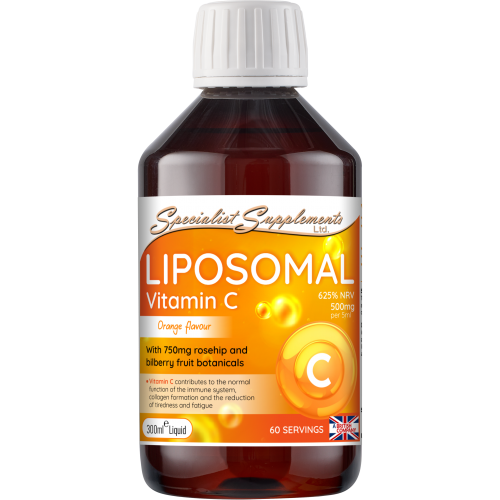
The good news is that vitamin C deficiency is largely preventable and treatable through dietary adjustments and, if necessary, supplementation, specifically our Liposomal Vitamin C
* Embrace Nutrient-Rich Foods: The most effective way to prevent vitamin C deficiency is to incorporate a variety of Vitamin C-rich foods into your daily diet. Excellent sources include:
* Citrus fruits (oranges, grapefruits, lemons, limes)
* Berries (strawberries, blueberries, raspberries)
* Kiwifruit
* Bell peppers (especially red and yellow)
* Broccoli
* Tomatoes
* Leafy green vegetables (spinach, kale)
* Be Mindful of Cooking Methods: Vitamin C is sensitive to heat and can degrade during cooking. Opt for raw preparations, steaming, or quick stir-frying to preserve its nutritional value.
* Consider Supplementation: If you struggle to meet your Vitamin C needs through diet alone, or if you are in a high-risk group,consider supplements. Not all Vitamin C supplements are created equal and even the better ones may not be fully absorbed. Consider taking Vitamin C in a Liposomal form as it is more efffectively absorbed by the body.
The Crucial Role of Vitamin C in Overall Health
Understanding and addressing vitamin C deficiency is not just about avoiding scurvy; it’s about optimizing our overall health and well-being. By ensuring adequate intake of this vital nutrient, we empower our bodies to repair, protect, and function at their best. So, let’s move beyond just the occasional orange and commit to a diet that truly nourishes us, helping to keep vitamin C deficiency at bay and fostering a more vibrant, resilient you.